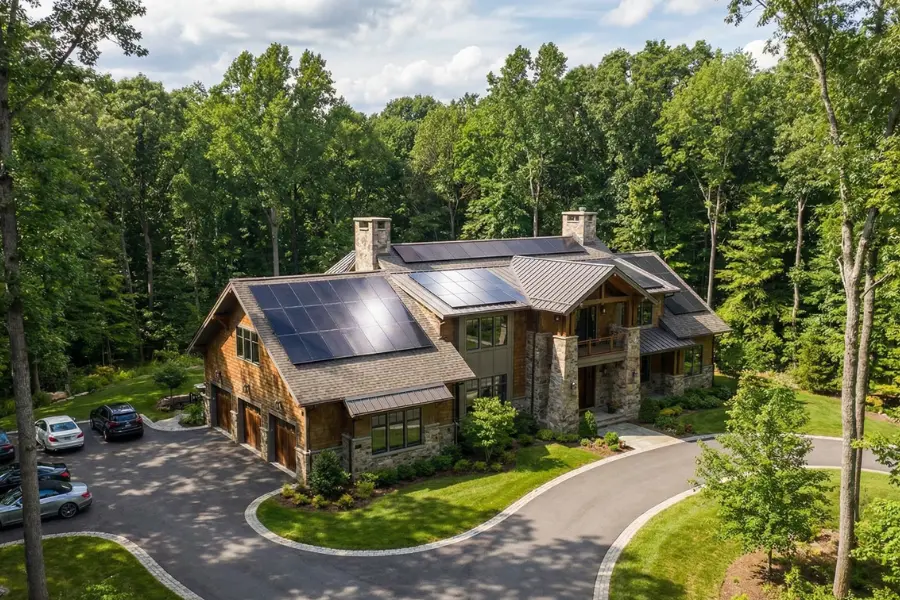
There is a romantic allure to going “Off-Grid.” No utility bills, no blackouts, no reliance on corporations. Just you, the sun, and total independence. But for the average American family used to modern conveniences like air conditioning, dishwashers, and electric dryers, the reality of off-grid solar is a harsh financial wake-up call.
Unlike a “Grid-Tied” system, which uses the utility grid as a giant backup battery, an off-grid system must be oversized to handle the worst-case scenario: 3 or 4 days of winter storms with zero sun.
Why It Costs So Much
To go off-grid, you need batteries. A lot of them. A standard home uses about 30 kWh of electricity per day. To survive 3 days without sun, you need 90-100 kWh of storage. A single Tesla Powerwall holds 13.5 kWh. Do the math.
Off-Grid System Estimate (2,000 sq ft Home)
| Component | Estimated Cost |
|---|---|
| Solar Panels (20kW Array) | $35,000 |
| Battery Bank (100 kWh) | $45,000 |
| Backup Generator (Propane) | $8,000 |
| Off-Grid Inverters & Hardware | $7,000 |
| TOTAL SYSTEM COST | $95,000+ |
The “Lifestyle Tax”
If $95,000 sounds too high, you have only one other option: Change your lifestyle.
- No central air conditioning (use fans or a swamp cooler).
- Propane for cooking, heating water, and drying clothes.
- Highly efficient appliances only.
- “Energy rationing” on cloudy days.
Is It Worth It?
From a purely financial ROI perspective? No. Grid electricity is still relatively cheap compared to a $95k battery bank that will need replacing in 15 years.
However, “worth” is subjective. If you live in a remote area where the utility company wants to charge you $50,000 just to run a power line to your property, then going off-grid makes total sense. Or, if you value independence and security above money, then the price tag is just the cost of freedom.
Legal Warning
Building codes in many cities and suburbs actually make it illegal to disconnect from the grid if a connection is available (Occupancy Permit requirements). Check your local laws before cutting the wire.