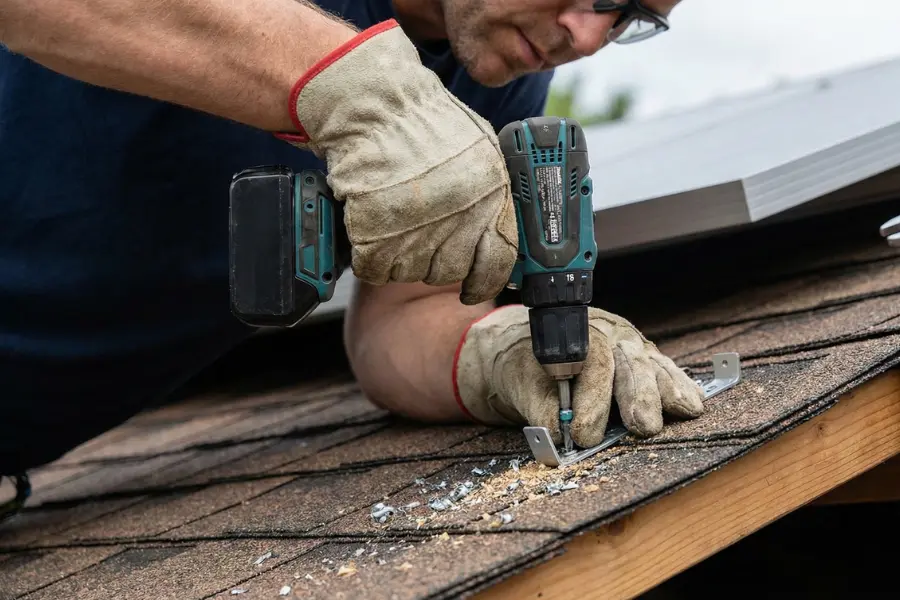
In the age of YouTube tutorials, many homeowners feel empowered to tackle complex renovation projects. From tiling bathrooms to building decks, the “Do It Yourself” (DIY) movement is booming. But solar energy is different. We are not talking about painting a wall; we are talking about high-voltage DC electricity on a sloped roof.
While buying a DIY solar kit can theoretically save you 40-50% on the total system cost (mostly by eliminating labor and markup), the risks are substantial. This guide aims to help you decide if you are the type of person who should attempt this, or if you should leave it to the pros.
The Potential Savings
Let’s look at the numbers. A professionally installed 10kW system costs about $28,000 in 2026. If you buy the equipment yourself (panels, inverter, racking) from a wholesaler, the hardware cost might be only $14,000 – $16,000.
Safety Warning: High Voltage!
Solar panels generate high-voltage DC electricity as soon as the sun hits them. There is no “off” switch on the panel itself. One mistake in wiring can lead to lethal shock or a rooftop fire.
The 3 Biggest Hurdles for DIY Solar
1. Permitting and Interconnection
This is where 50% of DIYers quit. Before you drill a single hole, you must submit detailed engineering plans (single-line diagrams) to your city building department and your utility company. These plans must meet the 2026 National Electrical Code (NEC). If you don’t know the difference between a “load-side tap” and a “supply-side connection,” you will struggle here.
2. The Physical Installation
Carrying a 40-pound glass panel up a ladder to a second-story roof is dangerous work. Professional crews use safety harnesses and lift equipment. Do you have a steep roof? If so, DIY is highly discouraged. One fall can cost far more in medical bills than you ever saved on the system.
3. No Warranty on Labor
If a professional installer’s system leaks or stops working, you call them, and they fix it under warranty. If your DIY system leaks and ruins your drywall, you are the warranty department. Additionally, some equipment manufacturers void their warranty if the product wasn’t installed by a certified professional.
When Does DIY Make Sense?
DIY solar is a great option for specific scenarios:
Small systems not connected to the grid are much simpler and safer.
Installing panels on a rack in your backyard eliminates the danger of falling off a roof.
If you have professional electrical experience, the technical part will be easy for you.
Conclusion
If you are looking to save money, getting multiple quotes from local installers (who are often cheaper than big national brands) is usually a safer bet than DIY. The peace of mind of a 25-year workmanship warranty is worth the premium for most homeowners.
Legal Disclaimer
This article discusses high-voltage electrical work. CalcMySolar takes no responsibility for injuries or damages resulting from DIY attempts. Always follow local building codes and safety regulations.