Is Solar Worth It in 2026?

Calculate your exact payback period and total savings instantly.

Disclaimer: The figures provided are estimates based on national averages and are for informational purposes only. Actual savings may vary and could be higher in states with high electricity rates (like CA or NY). Please consult a tax professional regarding your eligibility for the 30% Federal Tax Credit.

Payback Period — Years
20-Year Net Savings $0

Why Solar Energy is the Smartest Investment in 2026

Going solar isn’t just about saving a few dollars; it’s a strategic financial move that protects you from inflation.

Financial Freedom from Rising Rates

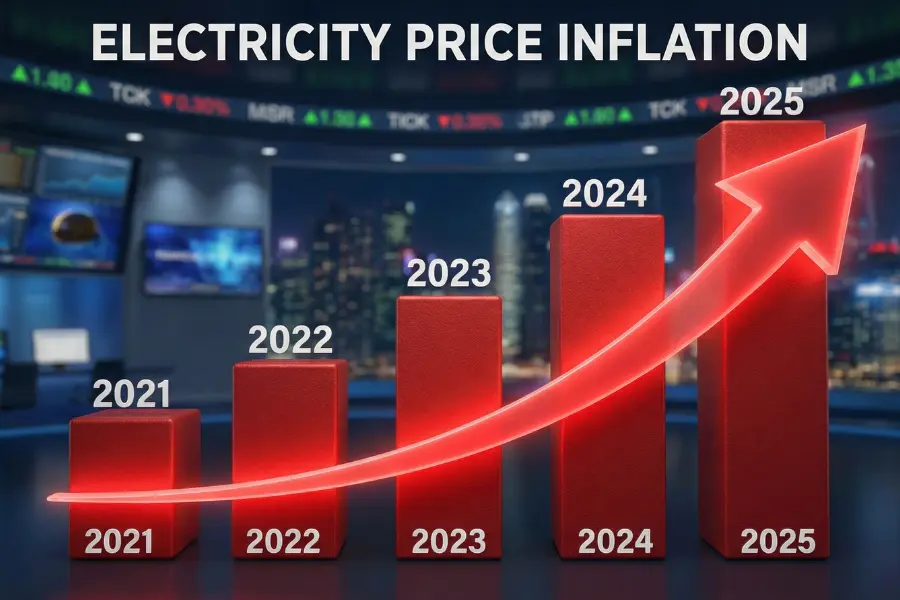
Did you know that electricity rates in the US have risen by an average of 4-6% annually over the last decade? In 2026, utility companies are projected to increase rates even further.

By installing solar panels, you effectively lock in your energy price. It’s like buying 25 years of gas for your car today at a fixed price.

Rising Electricity Costs Chart

A Massive Impact on the Planet

Reducing your carbon footprint is no longer just a “nice to have”—it’s a necessity. A typical residential solar system offsets about 100 tons of CO2 over its lifetime.

Green Energy Environment

Increase Your Home’s Value

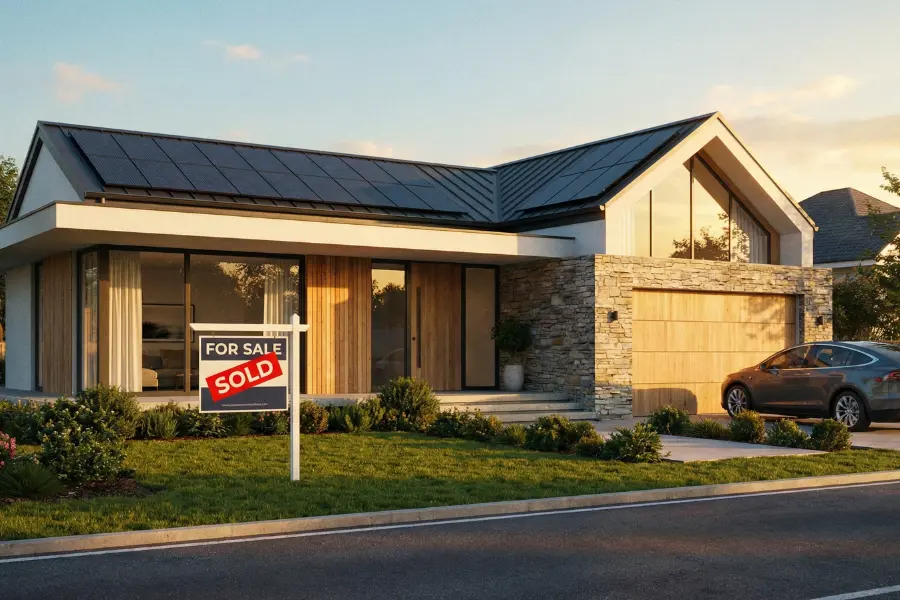
Real estate data is clear: homes with solar panels sell faster and for more money. According to Zillow, homes with solar sell for approximately 4.1% more than comparable homes without them.

Modern Solar Home

Engineered for Decades

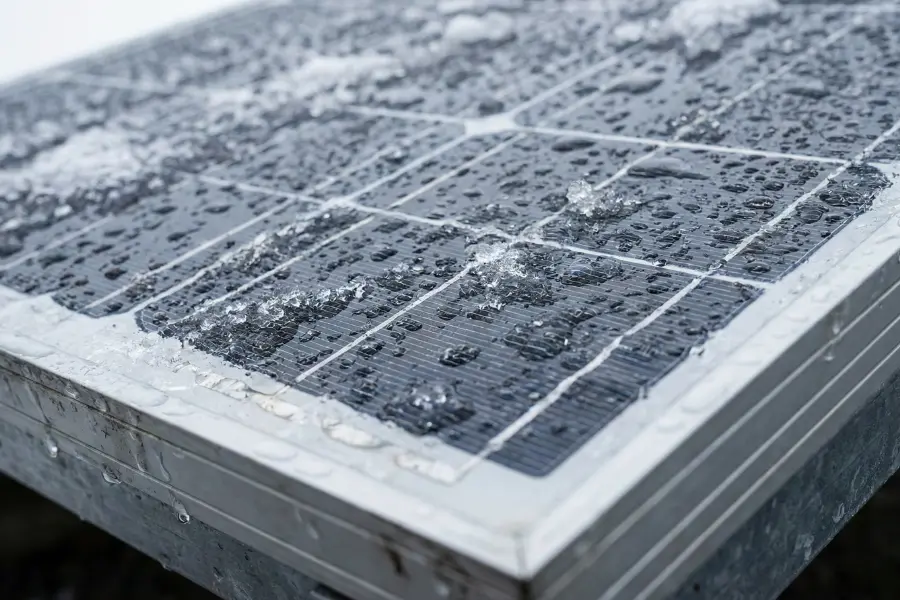
A common myth is that solar technology is fragile. In reality, modern Tier-1 solar panels are tested to withstand hail, snow loads, and hurricane-force winds.

Maintenance Comparison:

Car Engine: Requires oil, filters, belts every 5k miles.
Solar System: 0 moving parts. Rinse once a year.

Industry standard lifespan is now 25 to 30 years, making it one of the most durable assets you can own.

Durable Solar Panels
25+ Years
Lifespan